
Choose a Philadelphia Forklift by Work Type
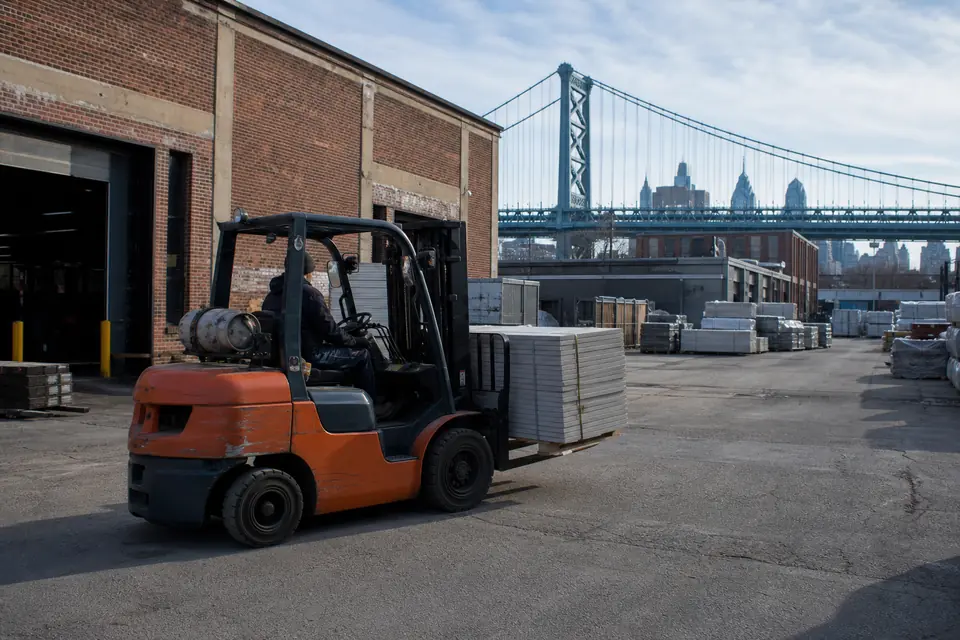
Begin with the load weight and dimensions, required height, load center, aisle width, doorway clearance and surface. Also identify whether the machine stays inside, moves between dock and yard, or travels with a delivery vehicle. Those differences separate warehouse forklifts, outdoor counterbalance equipment and specialized options such as truck-mounted forklifts before you request forklift pricing.
Plan for Port, Warehouse and Older-Building Conditions
Greater Philadelphia connects port terminals, food and pharmaceutical distribution, manufacturing and I-95 warehousing. Clean indoor facilities may favor electric forklifts and disciplined battery planning. Port-adjacent or building-material work may require pneumatic tires and greater outdoor capacity. Older buildings make floor loading, doorway height and turning space especially important measurements.
Compare Forklift Sales With Verified Specifications
A useful sales proposal should identify the machine, capacity at the required height, mast, tires, power, attachments, condition, warranty and service terms. For used forklift inventory, confirm hours and condition rather than relying on a generic model description.
Use Rentals When the Requirement Is Temporary
Forklift rentals can cover seasonal demand, projects, downtime or a specialized application. Confirm delivery access, required dates, permitted use and responsibilities for pickup, charging, fuel and damage. Truck-mounted or other specialized equipment must be verified rather than assumed available.
Confirm Local Service Before the Equipment Arrives
Ask who provides preventive maintenance and repairs, how parts are sourced and how warranty work is handled. Service availability varies by make, model and source, so the final arrangement should be documented before purchase or rental.
Philadelphia Material Handling Applications
- Port and freight operations
- Food and pharmaceutical distribution
- Manufacturing
- Warehousing and building supply