A forklift quote checklist turns a vague request into comparable prices. Before you get forklift quotes, document the load, height, aisle, surface, duty cycle, power, attachments and delivery. Dealers can then propose equipment for the same job instead of pricing different assumptions. See current forklift prices.
The cheapest proposal is hard to evaluate when one truck includes a battery and charger, another uses a different mast and a third omits freight. A short application brief prevents most of that confusion.
1–3. Describe the load completely
1. Maximum verified weight: use the heaviest normal load and identify occasional exceptions. 2. Load dimensions: record width, depth and height, not just pallet size. 3. Load center: explain where the weight sits relative to the fork face.
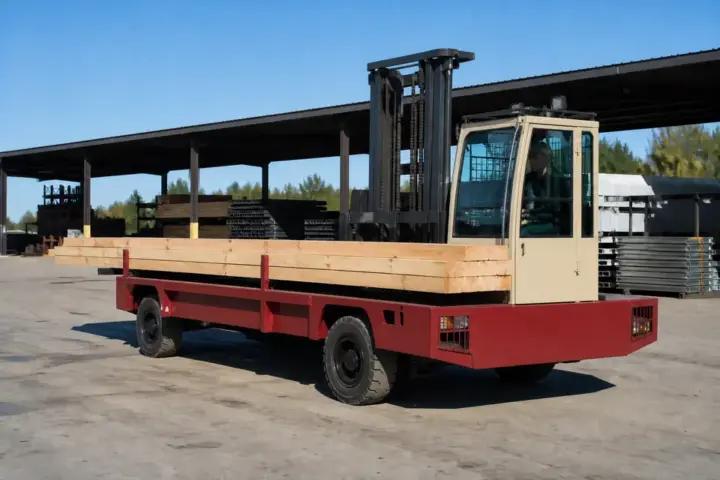
Long, tall or uneven loads can reduce usable capacity and visibility. The forklift capacity guide helps buyers avoid choosing solely by the large number on the data plate.
4–6. Measure height, clearance and aisles
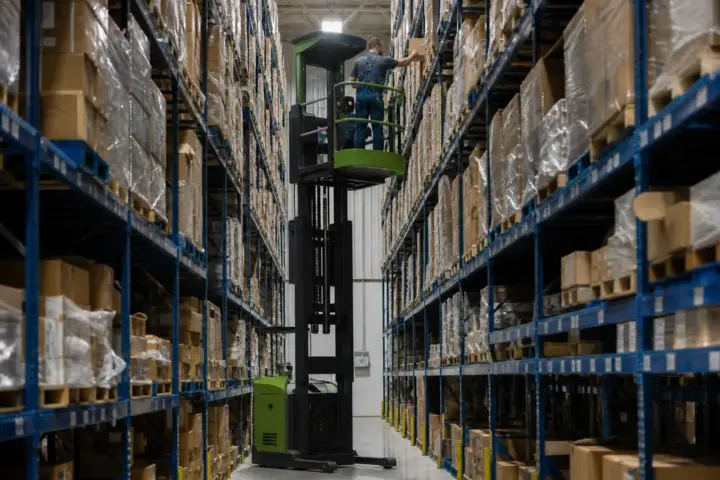
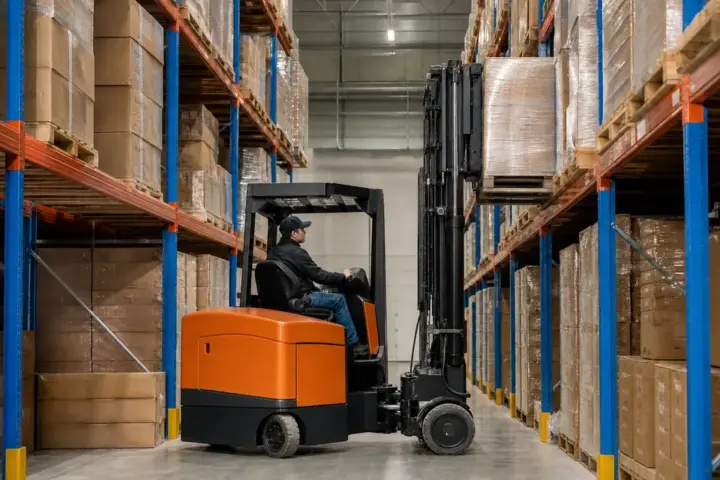
4. Required fork height: measure the highest placement point and leave room for safe handling. 5. Lowered clearance: include doors, trailers, mezzanines and overhead obstructions. 6. Working aisle: measure rack-to-rack space, load length and operating clearance.
Use the warehouse aisle guide and forklift mast guide when collecting these numbers.
7–9. Explain the route and work pattern
7. Surface and grades: list smooth warehouse floors, dock plates, pavement, gravel, slopes and outdoor travel. 8. Duty cycle: provide hours per day, shifts and expected travel or lift intensity. 9. Environment: note cold storage, dust, moisture, food handling, narrow docks or other conditions that affect equipment choice.
A truck that works in a wide dry warehouse may be wrong for a wet yard or freezer. The forklift equipment page shows the major categories available for different applications.
10–12. Choose power, tires and attachments
10. Power source: compare electric, propane or diesel against ventilation, charging, fueling and duty cycle. 11. Tires: specify the floor and outdoor route before choosing cushion or pneumatic types. 12. Attachments: identify sideshifters, fork positioners, clamps, rotators or special forks.
Attachments change weight, load center and residual capacity. Review forklift attachment prices and capacity impact before treating an attachment as a simple accessory.
13–15. Define condition, support and delivery
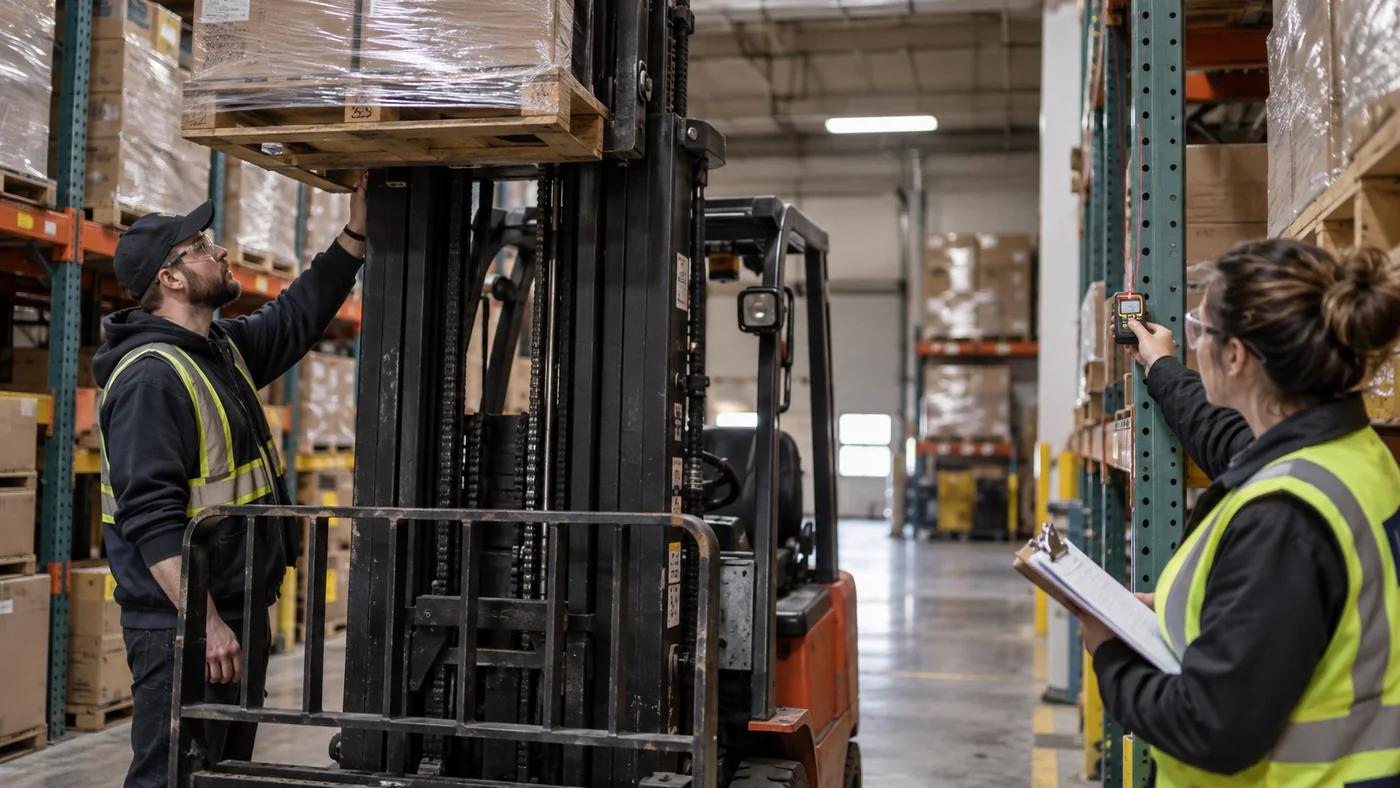
13. New, used or rental: state which paths are acceptable and what inspection or warranty information you need. 14. Service expectations: request maintenance scope, parts support and contact information without assuming coverage. 15. Delivery: provide the exact destination, required date, unloading conditions and commissioning needs.
- Truck, mast, tires, forks and attachments
- Battery and charger or fuel equipment
- Operating hours or meter reading for used units
- Inspection report and available service history
- Freight, setup and delivery timing
- Warranty or service terms stated in writing
- Total ready-to-work price
Put every proposal into the same comparison
Separate equipment price, freight, battery, charger, attachments, taxes and optional service. Record exclusions and assumptions. A dealer may recommend a different truck after reviewing the application; that can be useful, but ask the dealer to explain how the alternative meets each requirement.
Use the dealer quote comparison and forklift buyer’s guide to organize the final review.
Do buyers need an exact model before requesting prices?
No. The application facts matter more than a guessed model. A useful dealer can recommend a class and configuration, but buyers should verify the proposed capacity at height, dimensions, power and support.
What if the operation may change next year?
Describe likely changes separately from today’s requirement. Ask what reserve the proposed truck has and what added size or cost would be required. Avoid overbuying for vague possibilities, but do not hide planned racks, shifts or product changes.
A complete checklist produces better forklift prices because it reduces guesswork. It also gives your team a durable record of why the selected truck fits the work.