
Which boom lift fits the work area?
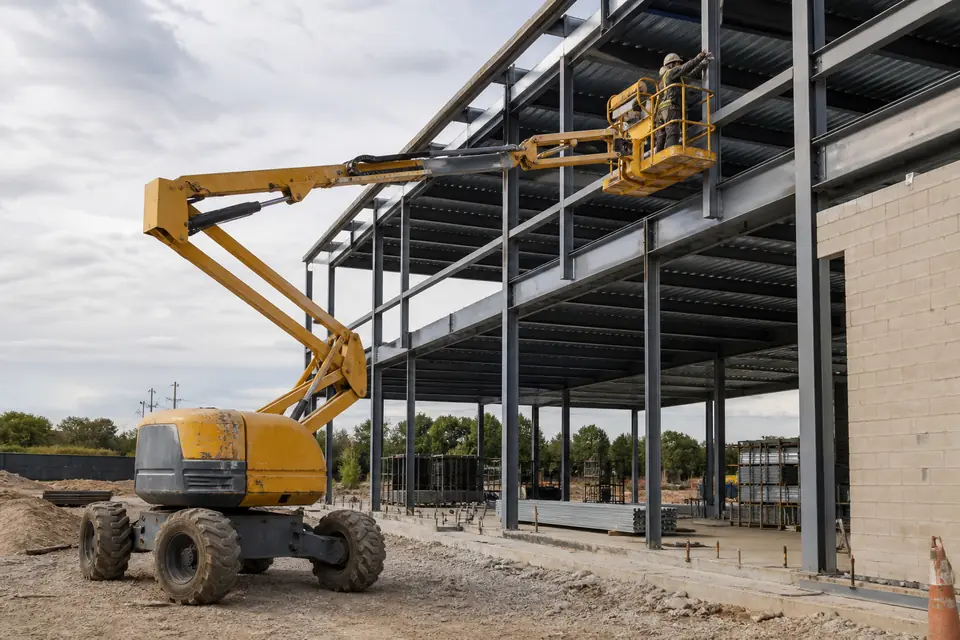
Compare new and used boom lifts for sale or rent boom lifts for temporary capacity. Boom lift selection depends on platform height, horizontal outreach, up-and-over access, platform capacity, indoor or outdoor use, ground conditions and available power. Articulating boom lifts can reach around obstacles, while telescopic boom lifts provide direct extended outreach.
Electric boom lifts are commonly considered for indoor and lower-emission work. Engine-powered and hybrid machines can support outdoor sites and longer duty cycles. Buyers should document access width, stowed height, turning space, gradeability, tire requirements, floor loading, platform occupancy and required tools or materials. When comparing boom lift prices, request the same capacity, configuration and delivery terms from each supplier. That makes used boom lifts for sale easier to compare with new equipment and boom lift rentals.
Compare boom lifts for sale and rent using our forklift buying guide. For ongoing use, review boom lift financing and leasing; for a temporary need, compare boom lift rental prices.
- Articulating and telescopic boom designs
- Electric, engine and hybrid power
- Indoor maintenance and outdoor construction
- Purchase and aerial lift rental options
How to Choose Boom Lifts for Sale or Rental
Rated capacity alone does not define equipment fit. The usable capacity at the required lift height, load dimensions, attachment weight, operating surface and access limits can change the practical choice. Businesses should also consider operator visibility, tire configuration, energy or fuel access, maintenance planning and how many hours the truck is expected to work.
Buy, Rent or Lease Boom Lifts
New boom lifts for sale can support specific configurations and longer ownership plans. Compare used boom lifts for sale when hours, condition and specifications fit the application. Boom Lift rentals can cover seasonal demand, temporary replacement and project work. Compare boom lift financing and lease options against the purchase price and expected length of use.
Compare Boom Lift Prices and Quotes
Share the maximum load weight and dimensions, target fork height, indoor or outdoor environment, floor or ground conditions, aisle and doorway limits, ZIP code and required date. Those details help identify suitable boom lifts for sale and rental availability. Request boom lift price quotes with delivery, rental length and any attachments included.
Boom Lifts Buying and Rental Guides
Compare forklift rental and lease costs before choosing a term. Review forklift lifting capacity for your loads, then use our forklift type guide to compare related trucks. Find forklift dealers near you for local purchase and rental options.