
Measure Space Before Comparing Bay Area Forklifts
Record load weight and dimensions, capacity at height, aisle width, turning space, doorway and mast clearance, surface and daily hours. Space-constrained facilities should use the forklift buyer’s guide to check those measurements before comparing forklift pricing.
Choose Equipment for Technology, Food, Port and Construction Work
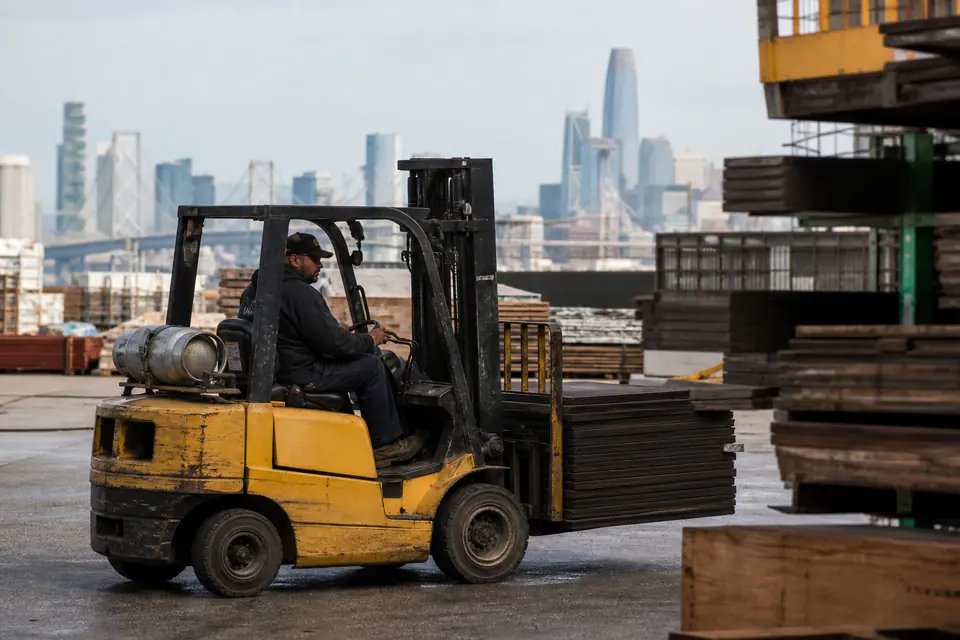
The Bay Area supports technology hardware, food and beverage production, port commerce, construction and regional distribution. Compact electric forklifts and reach trucks may fit controlled indoor space. Port and construction work may require pneumatic tires or internal-combustion forklifts, with emissions rules and outdoor conditions reviewed for the site.
Compare Capacity, Condition and Space Efficiency
For new or used equipment, confirm usable capacity, mast, collapsed height, turning radius, battery or engine, tires and attachments. Used forklift inventory should be verified for hours, condition, maintenance information, warranty and delivery. A low price does not solve a clearance or service problem.
Use Rentals for Projects and Uncertain Space Needs
Forklift rentals can support construction, temporary warehouse demand or a specialized lift without forcing a purchase. Provide the ZIP code, dates, indoor or outdoor use, access measurements and expected hours. Confirm delivery, pickup, charging or fuel and use limits.
Confirm Support for the Exact Make and Model
Ask how preventive maintenance, parts and repairs will be handled. High property and downtime costs make serviceability important. Confirm warranty responsibility and local support before accepting the proposal.
Bay Area Material Handling Applications
- Technology hardware and specialized manufacturing
- Food and beverage production
- Port and regional distribution
- Construction supply