A truck that moves full pallets efficiently may be the wrong machine for assembling orders from individual cases. That distinction matters before you compare prices. Describe what the operator does during a normal shift, including picking, replenishment and transport, rather than starting with a preferred truck name.
What is the difference between an order picker and a forklift?
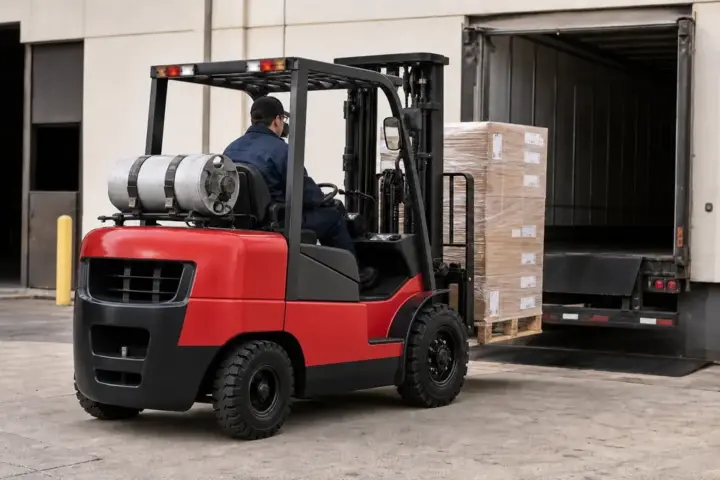
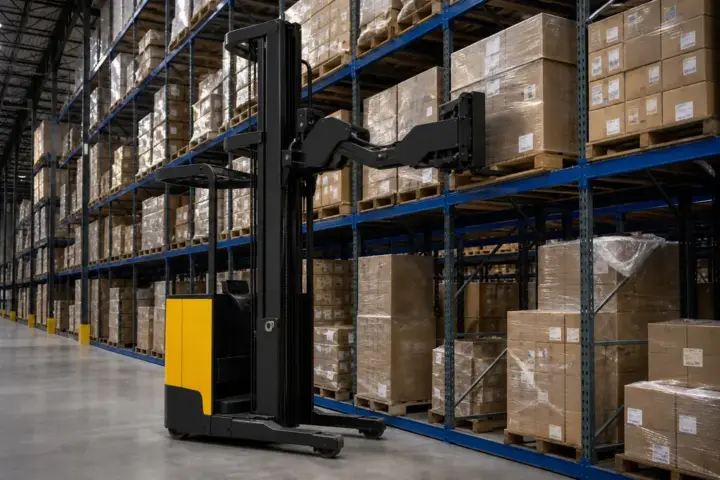
An order picker is designed around retrieving items for orders. High-level models raise the operator to stock locations; other designs serve lower picking levels. A conventional counterbalance forklift primarily handles loads on its forks, such as moving complete pallets. An order picker is itself a type of powered industrial truck, so the comparison is really about the task and truck design.
When comparing an order picker vs forklift, use the actual picking heights and load dimensions. Toyota’s order picker overview illustrates the operator-elevation distinction. Exact capabilities depend on the model.
With the workflow mapped, compare warehouse forklift prices for equipment specified against those tasks.
Separate order picking from rack replenishment
Count how much work involves individual items or cases, and how much involves complete pallets. Record the weight an operator must handle during picking, the size of the working load and the stock locations visited. Then document pallet replenishment separately. One machine may not efficiently cover both jobs.
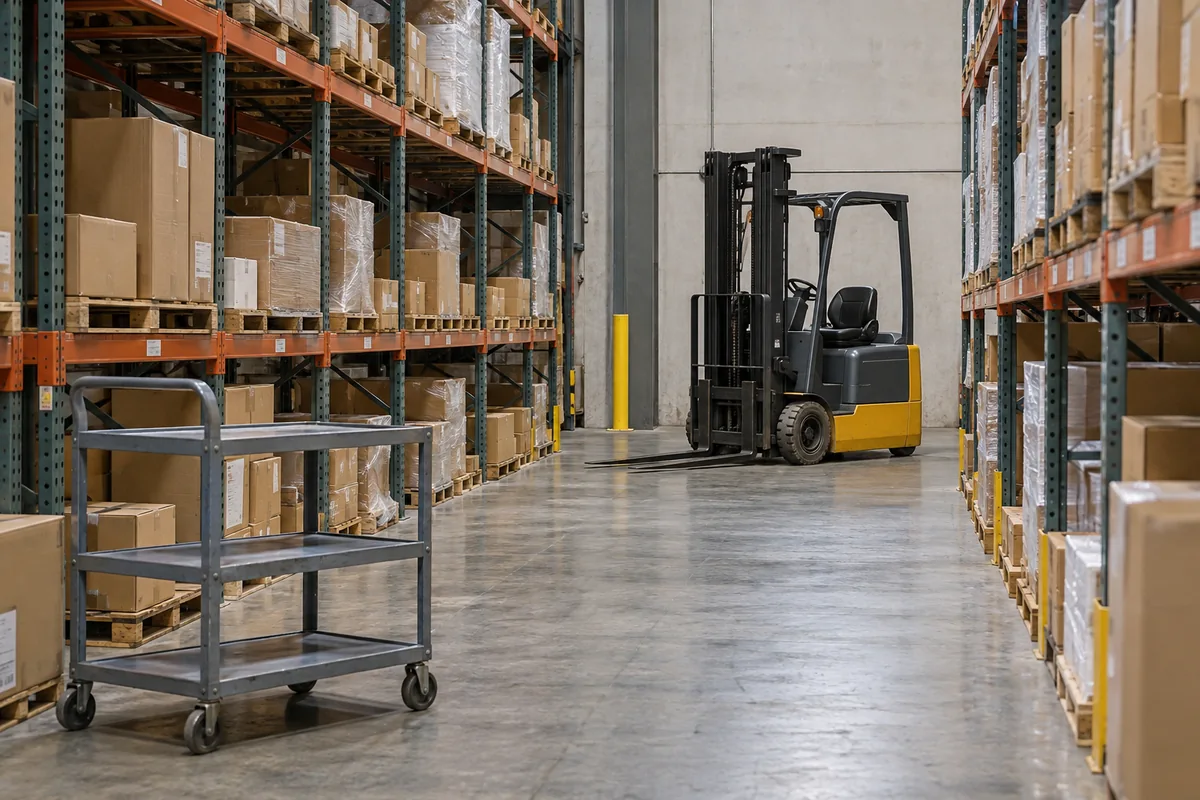
For pallet movement, review electric warehouse forklifts and the reach truck comparison. Don’t assume a truck suited to narrow-aisle pallet handling is also designed for elevated manual picking.
Measure the aisle and picking environment
Give the dealer rack heights, aisle widths, floor conditions and overhead clearances. Note pedestrian traffic and where orders are staged. Some installations need compatible guidance systems or a particular rack arrangement; get a site-specific assessment instead of assuming the truck’s overall width proves it will fit.
Our forklift aisle guide explains the measurements to bring. Review battery capacity and charging requirements against the actual duty cycle, especially when picking runs across multiple shifts.
Can an ordinary forklift lift an employee to pick orders?
Don’t use a pallet on forks as a substitute for purpose-designed equipment. Personnel lifting needs the appropriate equipment, procedures and qualified safety review. OSHA’s narrow-aisle guidance discusses order-picking hazards. Elevated order picking also requires training and the manufacturer’s specified protective systems; purchasing a truck doesn’t settle those obligations.
Which machine costs less for our warehouse?
Compare equipment and operating costs against the work it can properly perform, not just purchase price. Include batteries, charging, any guidance installation, training and service. Use the forklift buyer’s guide to prepare your requirements, then request order picker quotes with picking heights, order profile and replenishment duties clearly identified.