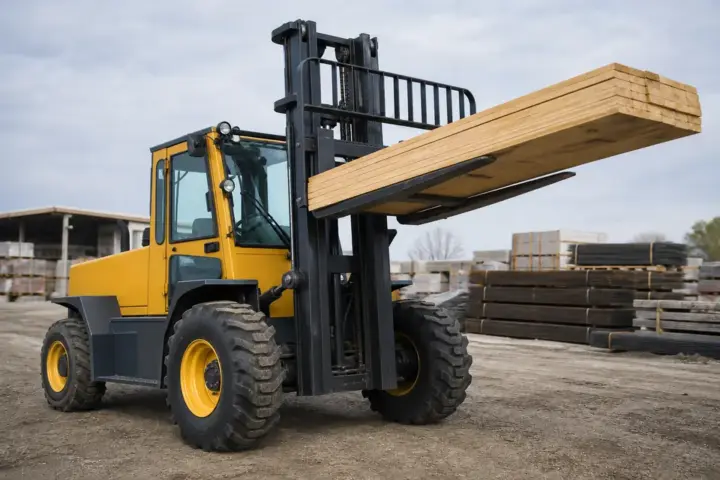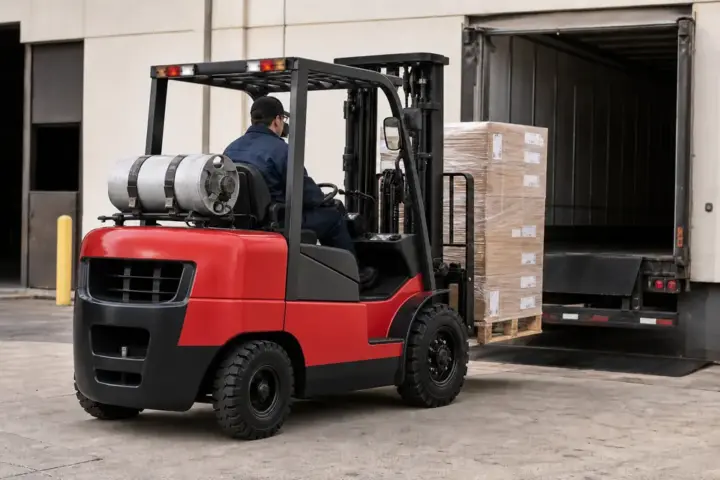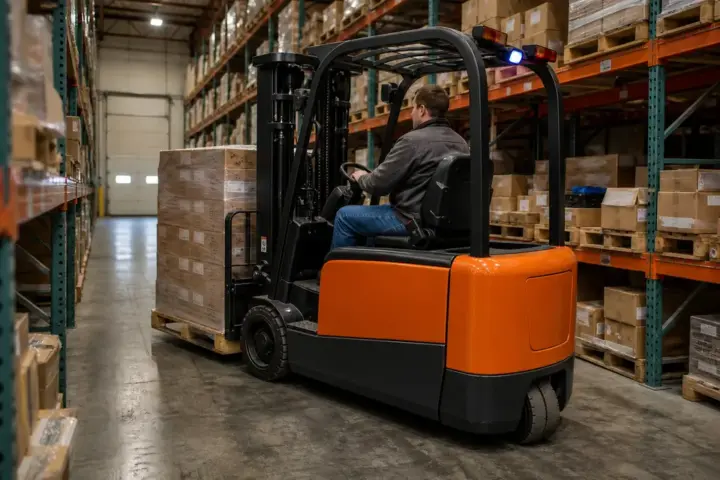
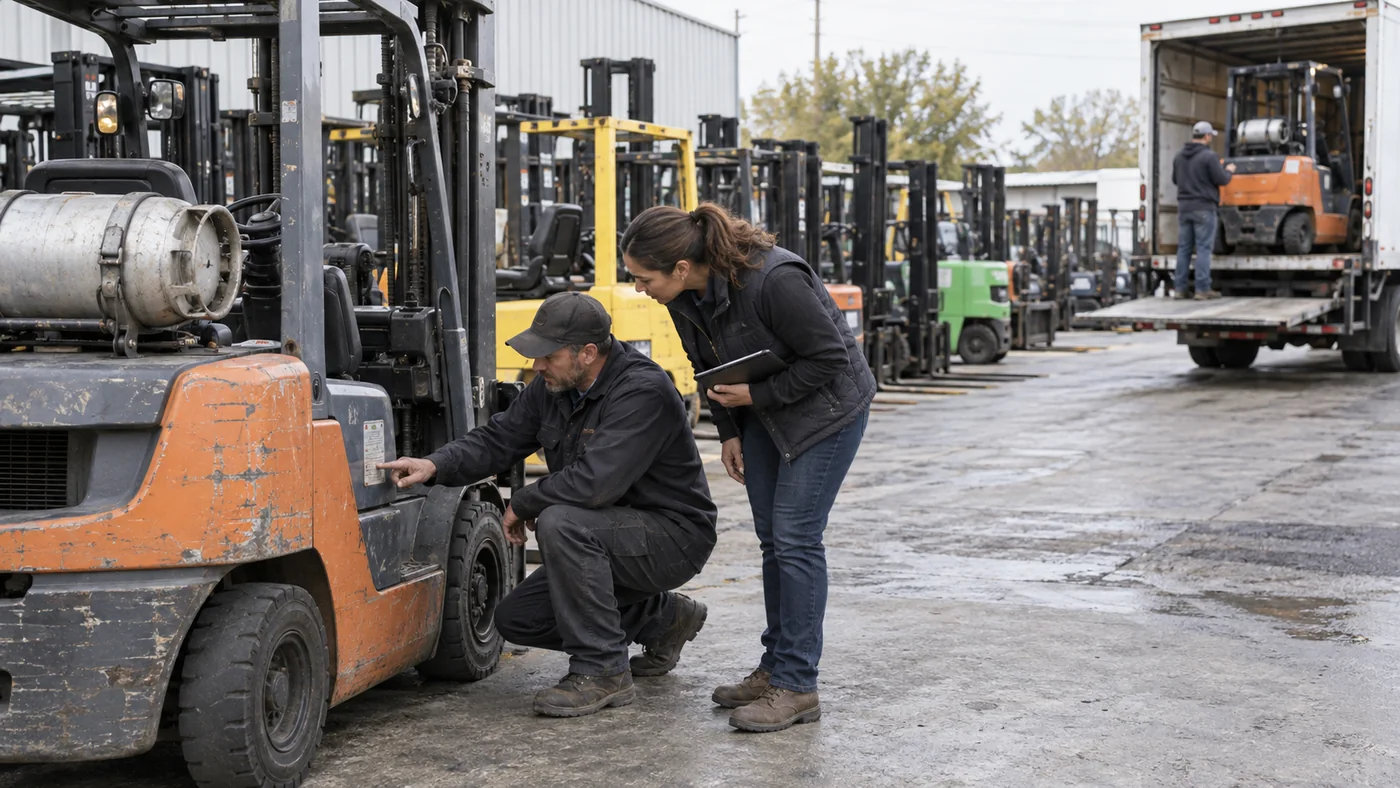
Forklift financing options can preserve cash and create a predictable payment, but the payment should never be separated from the equipment decision. Start with forklift prices for a truck that actually fits the load, height, aisle, surface and duty cycle. Then compare the term, total payments, maintenance responsibilities and end-of-term outcome.
That order matters. A low payment on an under-specified forklift is not a bargain when operators cannot reach the rack, an attachment reduces usable capacity or a battery cannot cover the shift.
Build one equipment specification for every proposal
Before discussing financing, write down the heaviest load, load dimensions, load center, required fork height and available clearance. Add the working aisle, dock or outdoor routes, daily hours, number of shifts, power preference and attachments. The forklift equipment overview helps identify the right general class; the forklift capacity guide explains why rated capacity alone is not enough.
Ask every dealer to price that same ready-to-work configuration. If one proposal uses a smaller battery, different mast or fewer accessories, show the difference instead of comparing the payments as if the trucks were identical.
Separate loan, lease and rental structures
Purchase financing generally moves toward ownership after scheduled payments. A lease may include return, renewal or purchase choices, depending on the agreement. Rental usually fits temporary or uncertain demand and often includes different service responsibilities. The names can overlap, so the written terms—not the label—must control the comparison.
Use the buy, rent or lease guide to match the structure to expected utilization. A truck used heavily for a stable application presents a different decision from equipment needed for a short project or seasonal peak.
Calculate the total expected payment path
Record the initial payment, regular payment, number of payments, fees and any end-of-term amount. Ask whether taxes, freight, attachments, battery, charger and training are included in the financed total. If the payment changes with interest rates or another condition, make that visible.
- Truck, mast, tires and attachment configuration
- Battery, charger or fuel equipment
- Delivery and commissioning
- Term length and expected operating hours
- Maintenance coverage and exclusions
- Insurance, damage and documentation requirements
- Purchase, return or renewal obligations
The warehouse forklift quote guide provides a useful framework for comparing the equipment and support underneath the payment.
Decide how maintenance and downtime will work
Financing does not automatically include service. Ask who schedules planned maintenance, who pays for ordinary repairs and how warranty work is handled. If uptime is critical, discuss parts access, response expectations and temporary replacement options. Do not assume these services exist because a proposal describes a monthly payment.
Used equipment may have a lower financed amount, but condition, hours and remaining component life matter. Review current used forklift inventory against the used forklift inspection checklist before deciding that the lower price is the lower-risk choice.
Plan for the end before signing the beginning
If ownership transfers, confirm the final step and any filing or fee. If the truck returns, document hour limits, tire and fork condition, battery expectations, prohibited changes, transportation and inspection. Ask what happens if the operation needs more capacity, a different mast or an earlier exit.
Can attachments and chargers be financed with the truck?
They may be included in some proposals, but that must be confirmed. Make sure the quote identifies each item and its ownership or return status. An omitted charger or required attachment can materially change the ready-to-work price.
Is the lowest monthly payment the best forklift financing choice?
Not necessarily. A longer term, smaller allowance or larger final obligation can lower the visible payment. Compare total cost, equipment fit, support and flexibility. The forklift financing page and buyer’s guide can help you prepare a consistent request. The useful financing choice is the one that supports the correct truck without hiding cost or operational limits.