What Should New York City Forklift Buyers Compare First?
Start with the heaviest load and its dimensions, then confirm the required lift height, load center, aisle width, doorway clearance and operating surface. Those measurements help separate compact electric forklifts and reach trucks for indoor storage from pneumatic-tire or internal-combustion equipment for yards and mixed indoor-outdoor work. Review the forklift buyer’s guide before requesting equipment options for a specific ZIP code and target date.
Choose Equipment for Dense Warehouses, Docks and Outdoor Yards
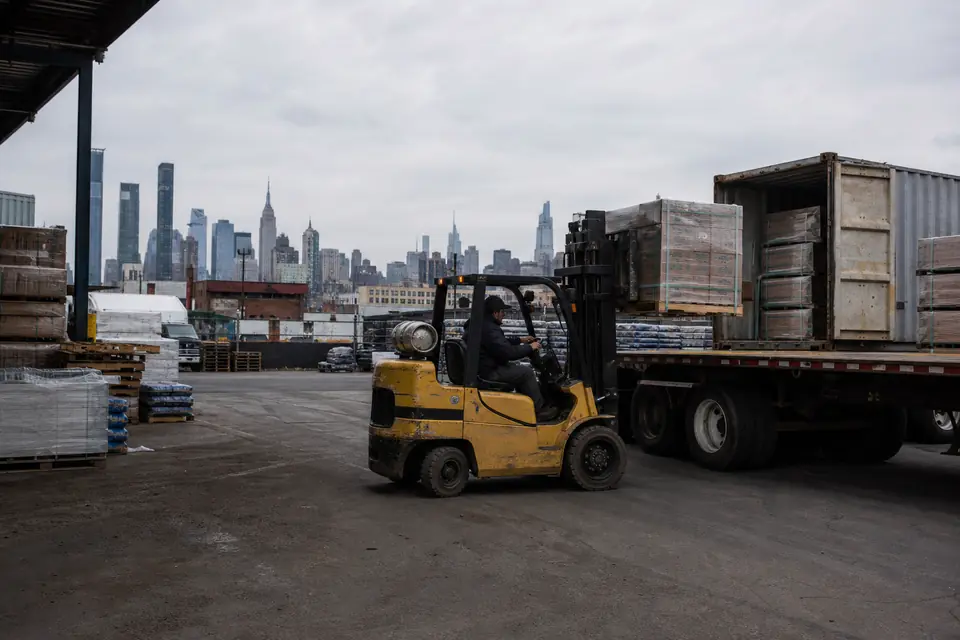
Material handling across the New York City market can involve tight urban buildings, high-throughput distribution space and port-adjacent outdoor work. A low mast and compact turning radius may matter more than headline capacity inside an older facility. Dock, construction and building-supply applications may place more weight on tire type, ground clearance, weather exposure and capacity at the required height.
Compare New and Used Forklifts Without Guessing at Fit
A purchase comparison should cover more than initial forklift pricing. Review expected weekly hours, battery or fuel needs, tire wear, attachment requirements, operator visibility, maintenance access and the cost of downtime. Used forklift inventory can change, so verify specifications, condition and availability before making a decision.
When a New York City Forklift Rental Makes Sense
Forklift rentals can help cover seasonal volume, planned projects, temporary capacity or a specialized lift requirement. Confirm capacity at height, delivery access, permitted usage, pickup terms and responsibility for charging, fuel or damage. Providing the delivery ZIP code and required dates makes the rental request more useful.
Plan for Service Access Before Selecting the Machine
Ask how routine maintenance, parts availability and repair response fit the proposed equipment and operating schedule. Union Forklift can help organize the equipment search, but buyers should confirm the service arrangement, warranty terms and local support details for any specific machine before committing.
New York City Material Handling Applications
- Food and beverage distribution
- Port and freight operations
- Warehousing and last-mile logistics
- Building supply and construction support